When importing goods from China, packaging plays a crucial role not only in protecting your products but also in ensuring compliance with international shipping and customs regulations. Understanding the export import packaging standard is essential for foreign buyers to minimize damages, avoid delays, and reduce extra costs during transportation.
Why Packaging Standards Matter in International Trade
Proper packaging safeguards products against physical damage, moisture, contamination, and theft throughout the long journey from factory to destination. In addition, many countries have specific packaging requirements related to safety, environmental regulations, and customs inspections.
Failing to meet these standards can result in product loss, customs clearance issues, fines, or rejected shipments.
Key Elements of Export Import Packaging Standards
- Durable Outer Packaging
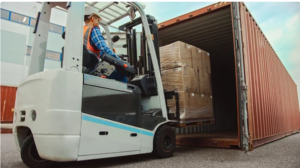
Most goods require sturdy cartons, wooden crates, or pallets designed to withstand stacking, vibrations, and rough handling during sea, air, or land transport.
- Protective Inner Packaging
Bubble wrap, foam inserts, airbags, or molded trays are commonly used inside the box to cushion products and prevent movement or scratches.
- Moisture and Pest Protection
For shipments vulnerable to humidity or pests, suppliers use waterproof films, desiccants, and fumigated wooden pallets to comply with international phytosanitary standards.
- Labeling and Marking
Clear labels indicating “Fragile,” “This Side Up,” or handling instructions help carriers manage the cargo correctly. Shipping marks also include product codes, weight, and destination details.
- Compliance with Local and International Regulations
Packaging materials must meet environmental laws such as the ISPM 15 standard for wood packaging or restrictions on hazardous materials.
Best Practices for Buyers When Ordering Packaging
- Specify Your Packaging Requirements Early: Communicate your packaging needs and any relevant standards with your supplier before production.
- Request Samples: Approve packaging samples to ensure they meet your expectations for protection and presentation.
- Consider Logistics Conditions: Packaging should be suitable for the chosen shipping method (sea, air, rail) and the climate of transit regions.
- Use Standard Sizes for Efficiency: Standard pallet and carton sizes simplify handling and reduce shipping costs.
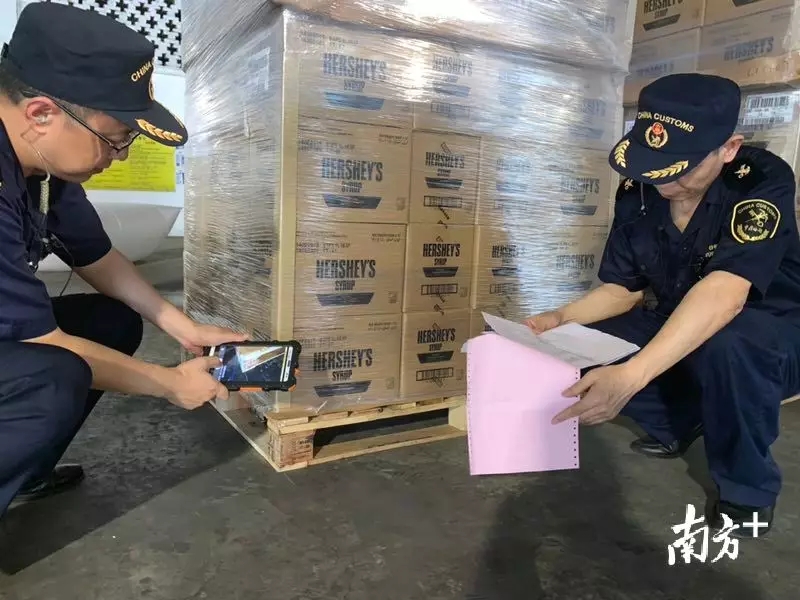
- Plan for Easy Customs Inspection: Packaging that allows quick inspection reduces delays at ports.
How Proper Packaging Saves Costs
Investing in good packaging upfront helps you save on damage claims, repackaging fees, and delays that disrupt your supply chain. Well-packaged products arrive safely, keeping customers satisfied and your brand reputation intact.
Conclusion
Adhering to the correct export import packaging standard is vital for successful international procurement from China. By understanding packaging best practices and working closely with your supplier, you can ensure your goods arrive protected, compliant, and on time.