
Middle East Construction Market 2025: Trends and Opportunities for Buyers Sourcing from China
The Middle East has long been a vibrant hub for large-scale infrastructure projects, ambitious urban developments, and world-class commercial and residential complexes. As we move into 2025, the region’s construction industry continues to demonstrate strong growth, driven by economic diversification, population expansion, and a focus on sustainable development. For international buyers—especially those sourcing from China—these trends present valuable opportunities.
1. Continued Growth Driven by Mega Projects
Several Middle Eastern countries, including Saudi Arabia, the United Arab Emirates, and Qatar, are investing heavily in mega infrastructure and real estate projects.
- Saudi Arabia: NEOM, The Line, and Red Sea Project are leading futuristic urban developments.
- UAE: Dubai and Abu Dhabi remain strong in hospitality, tourism, and residential expansion.
- Qatar: Post-World Cup construction is shifting towards long-term urban upgrades.
These large-scale developments require a wide range of building materials—steel, cement, ceramics, glass, fire safety equipment, and MEP (mechanical, electrical, and plumbing) systems—creating a steady demand in 2025 and beyond.
2. Demand for High-Quality and Cost-Effective Materials
While premium finishes remain important for high-end projects, developers and contractors are increasingly seeking cost-effective, durable, and compliant materials.
China remains one of the most attractive sourcing destinations, offering:
- Competitive pricing without compromising quality.
- A wide variety of products, from basic construction supplies to high-tech building systems.
- Strong customization capability to meet project specifications.
3. Sustainability and Green Building Standards
Middle Eastern governments are setting higher sustainability targets, such as Saudi Arabia’s Vision 2030 and UAE’s Net Zero by 2050 strategy. This means rising demand for:
- Energy-efficient building systems.
- Eco-friendly materials (low-carbon cement, recycled steel, sustainable wood).
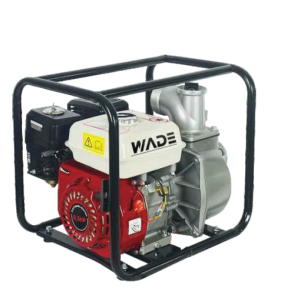
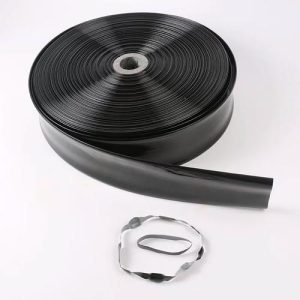
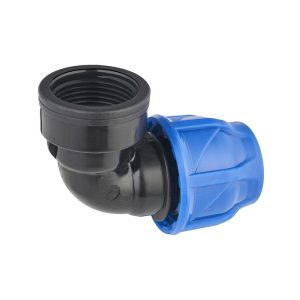
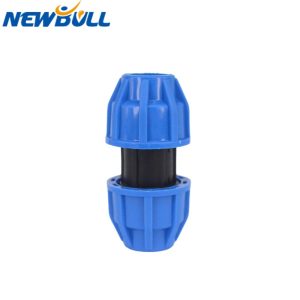
- Water-saving and smart irrigation solutions, especially in arid climates.
Suppliers who can offer green-certified products will have a competitive edge.
4. Opportunities for Chinese Suppliers
For international buyers visiting China, the opportunities are clear:
- One-stop sourcing: In markets like Yiwu, Foshan, and Guangzhou, you can source multiple categories—tiles, sanitary ware, lighting, doors, windows, hardware—in one trip.
- Custom manufacturing: Many Chinese factories can produce tailored designs, packaging, and branding.
- Logistics support: Established supply chains ensure efficient shipping to Middle Eastern ports like Jeddah, Dammam, Dubai, and Doha.
5. Tips for Successful Sourcing from China
If you are coming to China in 2025 to source for Middle East projects:
- Plan ahead – research suppliers and arrange factory visits before arrival.
- Check compliance – ensure products meet GCC, SASO, or other local standards.
- Negotiate on volume – bulk orders often bring better pricing and terms.
- Work with trusted partners – experienced trading companies can handle inspections, quality control, and shipping.
Conclusion
The Middle East construction market in 2025 is dynamic and full of opportunities. From mega projects to green building initiatives, demand for reliable building materials is only set to rise. For buyers who source from China, this is the perfect time to secure strong supply partnerships and take advantage of competitive pricing, product variety, and customization.
If you are planning a sourcing trip to China, we can help you connect with the right factories, arrange inspections, and ensure smooth delivery to your project site in the Middle East.
Share:
More Posts


Custom Block
Fringilla urna porttitor rhoncus dolor purus. Luctus veneneratis lectus magna fring. Suspendisse potenti. Sed egestas, ante et vulputate volutpat, uctus metus libero.