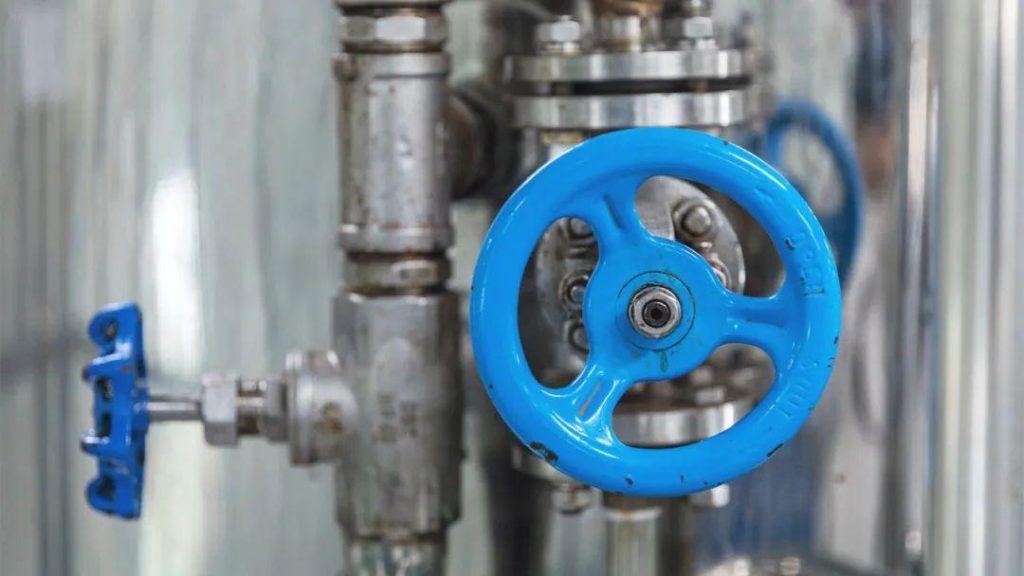
Valves are essential components in fluid control systems, widely used across industries such as oil and gas, petrochemicals, water treatment, and manufacturing. For international buyers importing from China factories, understanding valve classifications, functions, materials, and applicable standards helps ensure you choose the right products for your projects.
1. Valve Classification by Type
Valves can be categorized according to their design and operation:
- Gate Valve: Opens by lifting a gate; ideal for on/off control with minimal pressure drop.
- Ball Valve: Uses a rotating ball with a bore; offers quick shut-off and good sealing.
- Globe Valve: Designed for flow regulation; provides precise control but with higher pressure loss.
- Butterfly Valve: Compact design with a rotating disc; suitable for large-diameter flow control.
- Check Valve: Allows flow in one direction only; prevents backflow.
- Pressure Relief Valve: Protects systems from overpressure by releasing excess pressure automatically.
2. Valve Functions
Valves perform various functions in engineering systems:
- Start or stop fluid flow
- Regulate flow rate or pressure
- Prevent backflow
- Control flow direction
- Protect equipment from overpressure
3. Common Valve Materials
Selecting the right material is crucial for durability, safety, and compatibility with the working medium:
- Stainless Steel (SS304, SS316): Excellent corrosion resistance; ideal for food processing, chemical, and marine applications.
- Carbon Steel: Strong and cost-effective; suitable for high-pressure, non-corrosive applications.
- Bronze/Brass: Good corrosion resistance; often used in water systems.
- Alloy Steel: Withstands high temperatures and pressures; used in petrochemical and power generation sectors.
- Plastic (PVC, CPVC, PP): Lightweight, corrosion-resistant; for low-pressure and chemical applications.
4. Standards for Valves
When sourcing from China manufacturing, ensure valves comply with international or regional standards:
- GB (Guobiao Standards): China’s national standards for dimensions, testing, and performance.
- ANSI/ASME: American standards for design, pressure ratings, and testing (e.g., ANSI B16.34, B16.5).
- API: American Petroleum Institute standards, widely used in oil and gas (e.g., API 6D, API 598).
- BS/EN: British and European standards (e.g., BS EN 593 for butterfly valves).
- ISO: International Organization for Standardization standards for quality and safety.
5. Why Source Valves from China Factories?
China has become a leading global supplier of valves due to:
- Wide product range: From industrial-grade to specialized valves.
- Competitive pricing: Cost advantages without sacrificing quality.
- Customization capability: Tailored designs, materials, and standards compliance.
- Experience in export: Familiarity with import & export requirements and documentation.
Conclusion
For international buyers, understanding valve types, functions, materials, and standards ensures smooth procurement and successful project implementation. By sourcing from reputable China factories, you gain access to quality products that meet your specific application and compliance needs.
If you are looking for reliable valve suppliers in China, contact us today. We can provide product catalogs, technical data sheets, and export-ready solutions for your next china trade project.