
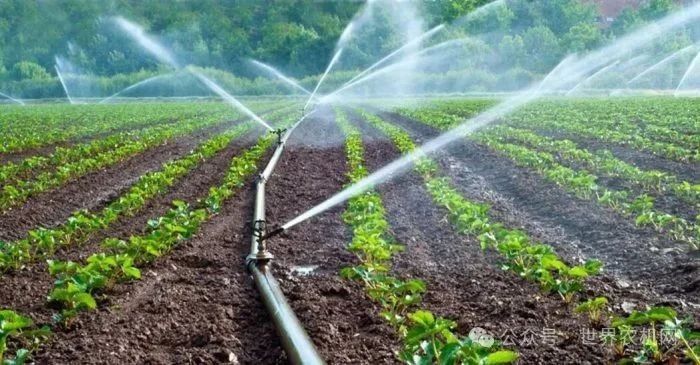
Agricultural Irrigation Systems in Africa: Applications and Advantages
Africa’s agricultural sector is rapidly evolving, driven by the growing need to improve crop yields and ensure food security. One of the key technologies transforming farming practices across the continent is the irrigation system. For buyers sourcing from China, understanding the applications and benefits of irrigation systems in Africa is essential for making informed purchasing decisions.
Why Irrigation Systems Are Critical for Agriculture in Africa
Africa’s climate is diverse but often challenging for consistent crop production. Many regions face irregular rainfall, prolonged dry seasons, and droughts, which significantly reduce agricultural productivity. Traditional rain-fed farming cannot reliably meet the continent’s growing food demand.
Modern irrigation systems provide a controlled water supply to crops, enabling farmers to cultivate year-round regardless of rainfall patterns. This technology helps overcome water scarcity challenges and boosts farm efficiency.
Common Applications of Irrigation Systems in Africa
- Smallholder Farms: Many African farmers operate small plots where drip irrigation or sprinkler systems optimize limited water resources, improving crop health and reducing waste.
- Commercial Agriculture: Large-scale farms utilize advanced irrigation systems such as center pivots and automated drip networks to maximize yields for export crops like fruits, vegetables, and grains.
- Horticulture and Greenhouses: Controlled irrigation enables the growth of high-value crops under protected environments, enhancing quality and production cycles.
- Rehabilitation of Degraded Land: Irrigation supports the restoration of arid and semi-arid lands by improving soil moisture and enabling reforestation or agroforestry projects.
Advantages of Using Irrigation Systems in Africa
- Increased Crop Yields: Reliable water supply directly boosts plant growth, increasing yields by up to 50-70% compared to rain-fed farming.
- Water Efficiency: Modern irrigation techniques such as drip irrigation minimize water loss through evaporation or runoff, making every drop count.
- Extended Growing Seasons: Irrigation allows multiple cropping cycles per year, increasing farm income and food availability.
- Drought Resilience: Irrigation reduces dependency on unpredictable rainfall, safeguarding farmers against drought risks.
- Improved Quality: Consistent watering improves crop quality, which is vital for export-oriented agriculture.
- Labor Savings: Automated irrigation systems reduce manual watering labor, allowing farmers to focus on other farm tasks.
Why Source Irrigation Systems from China?
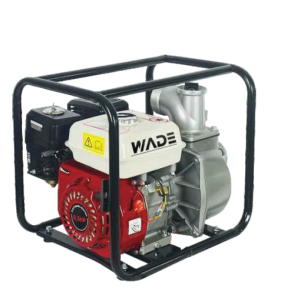
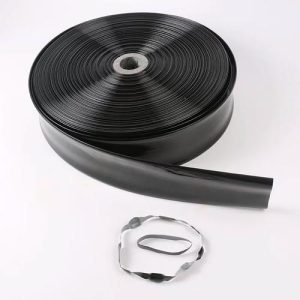
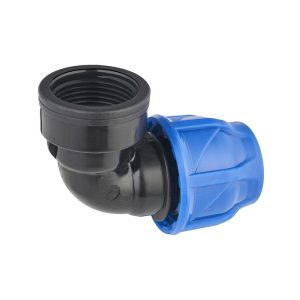
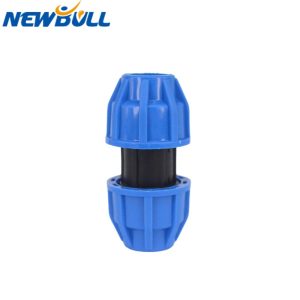
China is a global leader in manufacturing cost-effective and innovative irrigation equipment. Chinese suppliers offer a wide range of products, including pumps, drip lines, sprinklers, filters, and control systems, suitable for various African agricultural needs.
Additionally, many Chinese manufacturers provide customized solutions and technical support tailored to African climates and crops, making them a preferred partner for international buyers.
Conclusion
Adopting efficient irrigation systems is transforming agriculture across Africa by addressing water challenges and boosting productivity. For foreign buyers sourcing from China, investing in quality irrigation equipment opens opportunities to support sustainable farming and food security on the continent.
If you are interested in importing irrigation systems for your African projects, contact us to explore reliable Chinese suppliers and get expert advice tailored to your needs.
Share:
More Posts



Custom Block
Fringilla urna porttitor rhoncus dolor purus. Luctus veneneratis lectus magna fring. Suspendisse potenti. Sed egestas, ante et vulputate volutpat, uctus metus libero.