
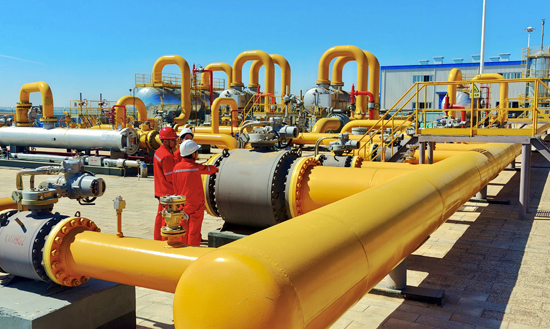
Essential Equipment Requirements for Petrochemical Pipelines: What International Buyers Should Know When Sourcing from China
Petrochemical pipelines are the backbone of the oil and gas industry, transporting hazardous fluids under extreme conditions. For international buyers importing pipeline equipment from China factories, especially valves, understanding the critical requirements related to materials, pressure ratings, and standards compliance is vital to ensure safety, durability, and regulatory acceptance.
1. Material Requirements for Petrochemical Pipeline Equipment
Materials used in petrochemical pipeline valves and other equipment must resist corrosion, erosion, and high temperatures caused by aggressive chemicals and operating environments. Common materials include:
- Stainless Steel (e.g., SS304, SS316): Offers excellent corrosion resistance and is widely used for valves in corrosive media.
- Carbon Steel: Common for general applications; often used with protective coatings.
- Alloy Steel and Nickel Alloys: For highly corrosive or high-temperature environments.
- Special Coatings and Linings: Such as PTFE or rubber linings to prevent corrosion and improve sealing.
Selecting the right material depends on the fluid type, temperature, and pressure conditions in your pipeline.
2. Pressure and Temperature Ratings
Petrochemical pipelines operate under various pressure and temperature conditions that equipment must withstand safely. Valves and fittings are classified by pressure ratings such as:
- PN (Pressure Nominal) Ratings: Common in Chinese and European standards, e.g., PN16, PN25, PN40, indicating maximum pressure in bars.
- Class Ratings (e.g., ANSI Class 150, 300, 600): Widely used in American standards, representing pressure-temperature limits.
- Temperature Limits: Equipment must also handle temperature extremes, sometimes exceeding 400°C for certain petrochemical processes.
Always specify the required pressure and temperature ratings clearly when sourcing to ensure compliance and safety.
3. Standards Compliance: GB, BS, ANSI and More
Compliance with international and regional standards guarantees equipment reliability and regulatory acceptance.
- GB (Guobiao Standards): China’s national standards covering materials, dimensions, testing, and performance of valves and pipeline equipment. Examples include GB/T 12224 for steel ball valves.
- BS (British Standards): British standards often adopted internationally, such as BS EN 12516 for valve design and testing.
- ANSI/ASME (American National Standards Institute / American Society of Mechanical Engineers): Widely recognized in global petrochemical industries, covering valve pressure classes (ANSI B16.34), flange standards (ANSI B16.5), and testing (API 598).
- API Standards: Such as API 6D for pipeline valves, commonly required for oil and gas applications.
When sourcing from a China factory, ensure that the products are tested and certified to the standards required by your country or project specifications.
Why Choose China Manufacturing for Petrochemical Pipeline Equipment?
China’s manufacturing sector has advanced capabilities to produce high-quality valves and pipeline equipment that meet stringent international standards. Benefits include:
- Access to a wide range of materials and customizations
- Competitive pricing due to efficient production scale
- Experienced factories familiar with global import and export requirements
- Ability to provide certification and testing documentation for compliance
Conclusion
For buyers importing petrochemical pipeline equipment from China, understanding material specifications, pressure ratings, and relevant standards like GB, BS, and ANSI is critical. Partnering with reputable China factories ensures you receive reliable, compliant valves and equipment suitable for demanding petrochemical applications.
Share:
More Posts

Custom Block
Fringilla urna porttitor rhoncus dolor purus. Luctus veneneratis lectus magna fring. Suspendisse potenti. Sed egestas, ante et vulputate volutpat, uctus metus libero.