If you are sourcing products from China, one of the biggest challenges you will face is managing your shipping expenses. Shipping cost can significantly impact your overall import budget and product pricing. Fortunately, with some planning and smart strategies, you can save shipping cost and improve your supply chain efficiency.
In this article, we will share practical tips on how to reduce your international shipping cost when importing from China.
1. Understand Different Shipping Methods and Their Costs
The first step to save shipping cost is to understand the pros and cons of the main shipping options:
- Sea Freight: Most economical for large and heavy shipments. It has the lowest cost per unit but longer transit time (usually 20-40 days). Ideal for bulk orders.
- Air Freight: Fast but expensive, suitable for small, high-value, or urgent shipments.
- Rail Freight: A middle ground option between sea and air, faster than sea and cheaper than air, mainly available for shipments to Europe and some parts of Asia.
Choosing the right shipping method depends on your product type, order size, budget, and delivery timeline.
2. Optimize Your Shipment Volume and Packaging
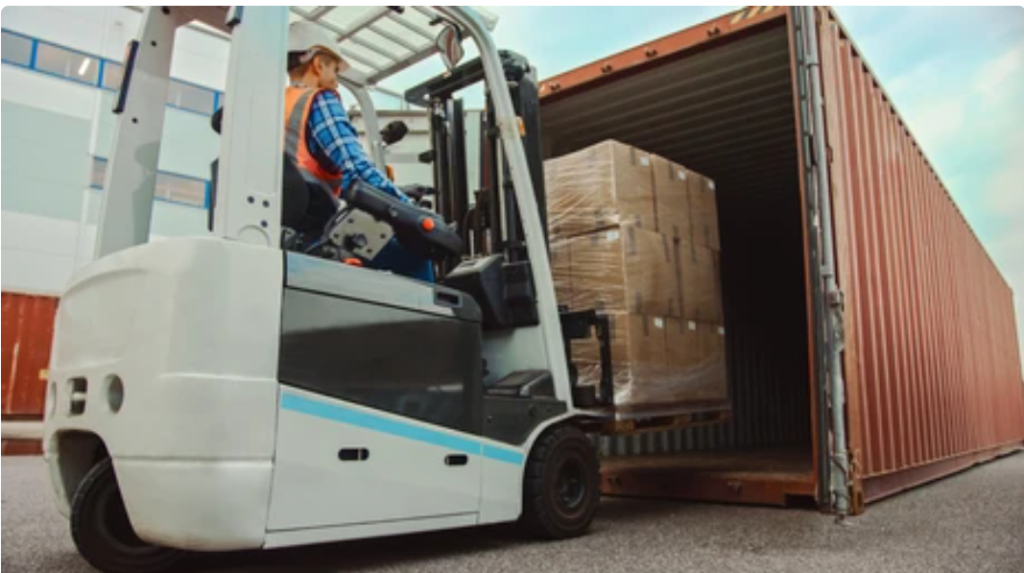
Consolidating your orders into full container loads (FCL) instead of multiple smaller shipments (LCL) can save you a lot on shipping fees.
Also, optimize your product packaging to minimize wasted space. Efficient packaging reduces volume and weight, directly lowering freight charges.
3. Work with Reliable Freight Forwarders
Experienced freight forwarders can negotiate better rates with carriers and help you choose the best shipping routes. They also provide valuable advice on customs clearance, documentation, and shipment tracking.
Building a long-term partnership with a trustworthy forwarder often leads to discounts and smoother shipping processes.
4. Plan Your Orders in Advance
Last-minute shipments usually incur higher fees due to expedited shipping charges. Planning your orders ahead of time allows you to choose cost-effective shipping options like sea freight.
5. Consider Shipping Insurance and Incoterms
Selecting the right Incoterms (like FOB, CIF) affects which party pays for shipping and insurance costs. Clarify these terms with your supplier to avoid unexpected expenses.
While shipping insurance adds some cost, it protects your investment against loss or damage during transit.
6. Negotiate Shipping Costs with Your Supplier
Sometimes, suppliers can offer better shipping rates if they have established logistics partners. Don’t hesitate to ask your supplier about their shipping options and negotiate costs.
Conclusion
Saving shipping cost when importing from China requires a strategic approach. By understanding shipping methods, optimizing order volume and packaging, working with reliable freight forwarders, and planning in advance, you can significantly reduce your import expenses.
Start applying these tips today to improve your supply chain and increase your profit margins.
If you have questions or want assistance with shipping from China, feel free to contact us!